
"Ethiopian culture"
1000 article(s) found

A brief introduction to the History and Culture of the Origin and Development of Fine Coffee beans in Ethiopia
Ethiopia (Ethiopia) is one of the major producers of Arab coffee beans in Africa, producing the best Arab mocha beans in the world. It is said that coffee beans were first discovered by shepherds in the Kafa region of Ethiopia, and the name of coffee evolved from Kafa, so Ethiopia is still the hometown of coffee. Production and processing of coffee beans in Ethiopia
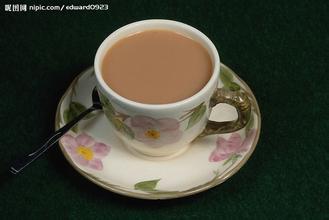
Ethiopian Coffee Flavor description Variety characteristics of High-quality Coffee beans
Yega Xuefei is a small town, 700-2100 meters above sea level, synonymous with Ethiopian boutique coffee. It has been a wetland since ancient times. The ancient saying "Yirga" means to settle down and "Cheffe" means a wetland. The mode of production and flavor of coffee here are so outstanding that Ethiopian coffee farmers compete to be proud of the flavor of their coffee, making it the best in Africa.

2016 raw coffee bean price commercial special Ethiopian water wash Yega Xuefei G2 227
Gachafi itself is a small town of about 20, 000 people, and the three neighboring producing areas, Wenago, Kochere and Gelena Abaya, are also classified into the Yega Coffee area because the flavor of the coffee is almost the same as that of Yega Coffee. Yega Xuefei is similar to the neighboring Sidamo in terms of culture and geography, but Yega Xuefei seems to be more favored.

Beautiful Ethiopian coffee girl, African coffee picker.
Ethiopia, located in northeast Africa, is the origin of coffee. Most of its territory is the Ethiopian plateau, with an average elevation of nearly 3000 meters, known as the roof of Africa. In Ethiopia, there is a beautiful cultural landscape, that is, the coffee girls in this coffee country. With the strong smell of coffee in the air, the coffee girls with coffee skin color began to embroider.

The birthplace of coffee, Ethiopian coffee.
In the world of coffee, there are countless stories and reports about Ethiopia: the birthplace of coffee, the story of shepherds, black gold, and so on. Ethiopia's coffee culture and popularity are so shocking that even some coffee bars at the airport have four professional semi-automatic coffee machines, whether in urban or rural cafes, western restaurants, Chinese restaurants or hotel bars.
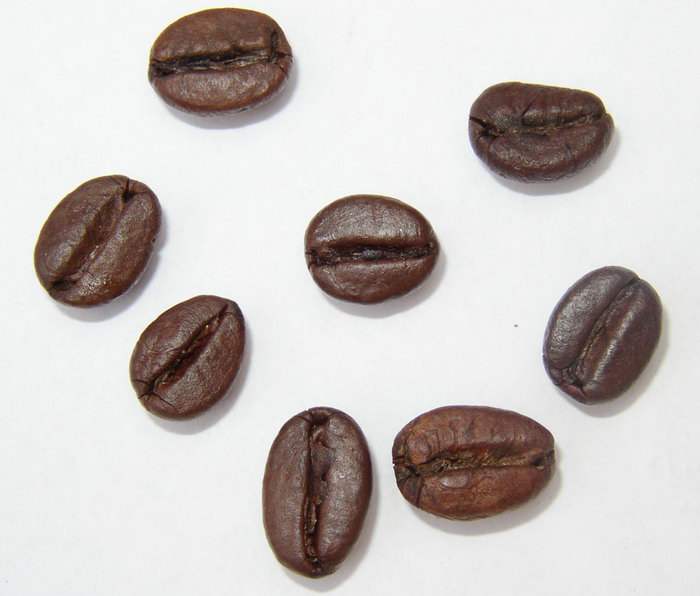
The production of Ethiopian coffee, the introduction of Ethiopian coffee
Following Kaiping (Wechat official account vdailycom) found that Beautiful Cafe opened a small shop of its own. There are more than 140 varieties of coffee in Ethiopia in East Africa, which means the land inhabited by sun-tanned people in ancient Greek. Ethiopia's unique cultural tradition, spectacular scenery, pleasant climate, rich animal and plant resources, and important places of interest
Ethiopian Harald boutique coffee introduction boutique coffee bean knowledge coffee grower
Essex is the first country in the world to grow coffee and maintain the oldest coffee culture. It still maintains a very traditional and ancient coffee growing process. Ethiopia latitudes 6 to 9 degrees north. Tropical forests 34 to 40 degrees east longitude and 1600 to 1800 m above sea level. Harald is not only the most expensive coffee in the world, but also a beautiful legend. Harald, a reflection of ai

A brief introduction to the Origin, Development, History and Culture of Fine Coffee beans in Tanzania
Product features: smell: flower scent, clean and delicate lemon fragrance. Clean, full, it is mild and does not stimulate the smell after extraction: a variety of floral flavors: bright acidity, mellow taste, and thanks to the rich volcanic soil, it has the sweetness of mineral water, because we use medium baking techniques to make it smooth and elegant with acidity. The whole is softer than Ethiopia.
Yega Sheffield Coffee-Coffee beans Yega Chefe Coffee characteristics
Yega Sheffield Coffee refers to the Yega Sheffield Coffee produced in Ethiopia. Yega Xuefei is the name of a local town. It is about 1700-2100 meters above sea level. Now Yejashafi coffee has become synonymous with Ethiopian boutique coffee. Although the Ethiopian Yirgacheffe coffee is petite, it is gentle and delicate and sweet. For coffee.
Ethiopia: birthplace of coffee
On the morning of January 7, Starbucks held a unique Ethiopian coffee tasting event at its flagship store in Kerry Center, Beijing. This was also the first time that Ethiopian coffee from the birthplace of coffee had zero contact with coffee lovers since it entered Starbucks. Starbucks China 2013 Coffee Minister Shen Yaning and local guests from Ethiopia, with knowledgeable coffee knowledge
Ethiopia Gemma jimma (djimmah Gima)
Ethiopia (Ethiopia) famous coffee:: Yirgacheffe (Yirgacheffe), Harald (Harrar), Sidamo sidamo; and Djimmah (Djimmah) are also good, taste balanced, is an affordable African mocha beans. Forest coffee, which grows in the natural environment and shaded by natural forest trees, has sufficient plant change mechanism to resist diseases and insect pests.

A brief introduction to the History and Culture of the Origin and Development of Fine Coffee beans in Cochell Manor
In September 1974, a group of young officers formed the Coordination Committee of the Army, the Police and the Local Army (DERGUE, meaning SHADOW, and later generally referred to as the junta and the Mengistu regime) launched a military coup to overthrow the government of Haile Selassie and announced the end of monarchy and the establishment of an interim junta. In November, the interim military junta was changed to the interim military Administrative Council. In December, interim military administration

Coffee Culture: a documentary about Fair Trade Coffee
If you want to understand what Fair Trade Coffee (Fair Trade Coffee) is, watching this documentary is the most intuitive. BlackGold (Black Gold, 2006) is a documentary about Ethiopian coffee growers facing exploitation by Western multinationals. The narrative style of the film is very simple, and the camera is constantly switching between two worlds that are very different: elegantly dressed.

A brief introduction to the Origin, Development, History and Culture of Fine Coffee beans in the fresh and bright Cochell Manor
In the fifties and sixties of this century, many African countries became independent one after another and adopted green, yellow and red as the colors of the national flag, so they were called pan-African colors. Ethiopia is one of the ancient countries in Africa, with a long history of more than 3000 years, giving green, yellow and red colors deeper roots in this land. Historically, they are closely related to the liturgy of the Coptic church.

A brief introduction to the Origin, Development, History and Culture of Fine Coffee beans in the fresh and bright Cochell Manor
Ethiopia is rectangular, with a ratio of length to width of 3:2. From top to bottom, it is composed of green, yellow and red parallel equal horizontal rectangles, with the national emblem in the middle of the flag. Since the end of the 19th century, Ethiopia began to use the green, yellow and red cross-striped national flag. In modern history, Ethiopia is the first African country to join the forest of free nations. [8] to this century

Taste Unique Ethiopian Yega Shefi Cochir Estate Coffee Flavor Description Taste Variety Introduction
In Ethiopia, people take pride in coffee and see it as a gift to the world. To this day, many Ethiopian families still maintain the ritual of daily coffee celebrations, with the hostess of each family inviting family and neighbors for coffee more than once a day. In their view, this is a way to show friendship and respect. Ethiopia is a magical land, filled with
The Common sense of Fine Coffee Culture an inventory of Coffee Culture in various countries
I'm not at the cafe. I'm on my way to the cafe. Do you still remember when this familiar saying began to spread? Once upon a time, going to drink coffee was regarded as a symbol of petty bourgeoisie. How much do you know about coffee culture? Let's go into the kingdom of coffee culture and explore some of its mysteries. The birth of coffee says that there are many legends about coffee.

Introduction to the description of Flavor of Ethiopian Coffee Bean by Variety treatment
Ethiopia grows coffee in different climatic zones, so it has more than 140 farm varieties, and fresh coffee is produced all the year round. The quality of Ethiopian coffee varies according to different elevations and regional ecological environment. The Harar coffee in the southeast highland is a typical Muha coffee with a strong flavor; the coffee produced in the southwest Wollega has a rich fruity flavor; Limu coffee

A brief introduction to the history and culture of the origin and development of fine coffee beans in Cochell Manor with acid and citrus flavor.
These mountain villages are foggy, like spring all year round, with a gentle breeze in summer, cool but not hot, rain but not damp, and no cold damage in winter, giving birth to a unique regional flavor of citrus and flowers. Coffee trees are mostly planted in farmers' backyards or mixed with other crops in their fields to talk about Ethiopia, so let's talk about the origin of coffee first. in about the sixth century, there was an Arab shepherd.

The eight most famous coffee in the world-Ethiopian coffee is sour and mellow.
Essex is the first country in the world to grow coffee and maintain the oldest coffee culture. It still maintains a very traditional and ancient coffee growing process. Ethiopia latitudes 6 to 9 degrees north. Tropical forests 34 to 40 degrees east longitude and 1600 to 1800 m above sea level. Harald is not only the most expensive coffee in the world, but also a beautiful legend. Owned by Harald